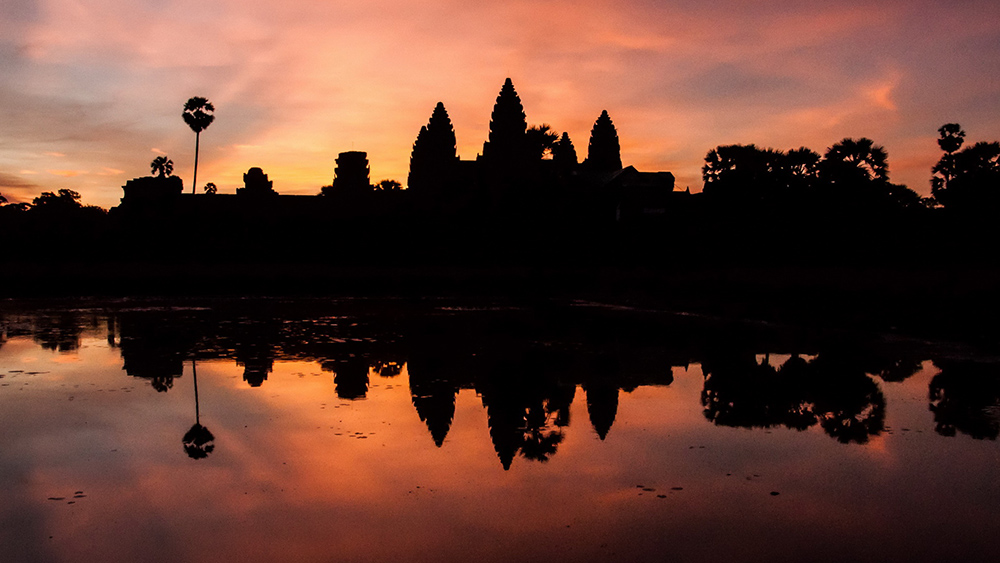
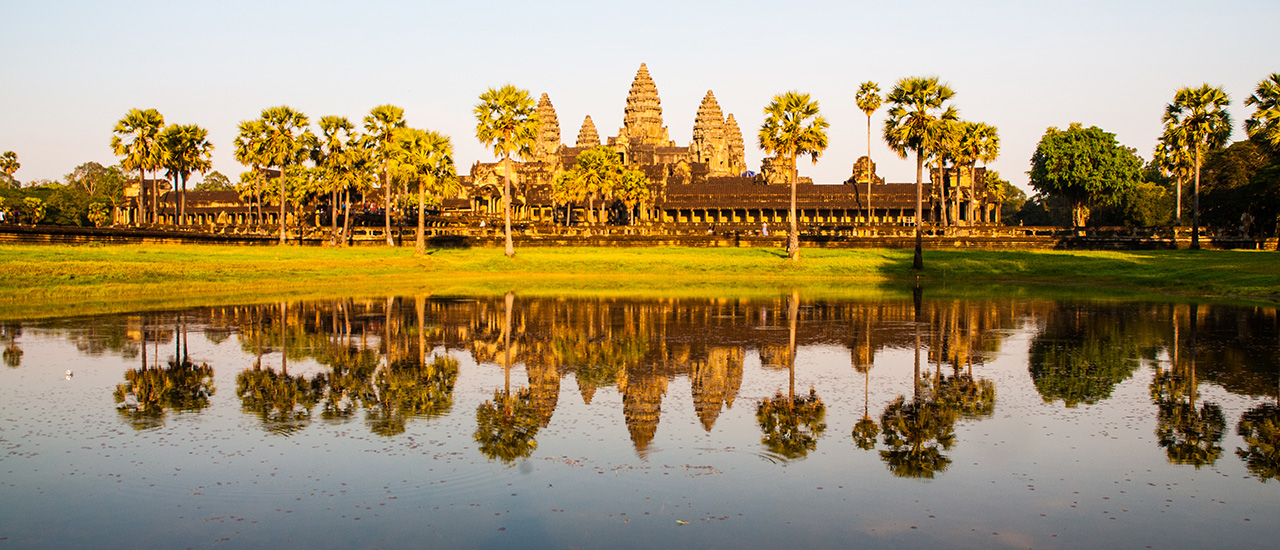
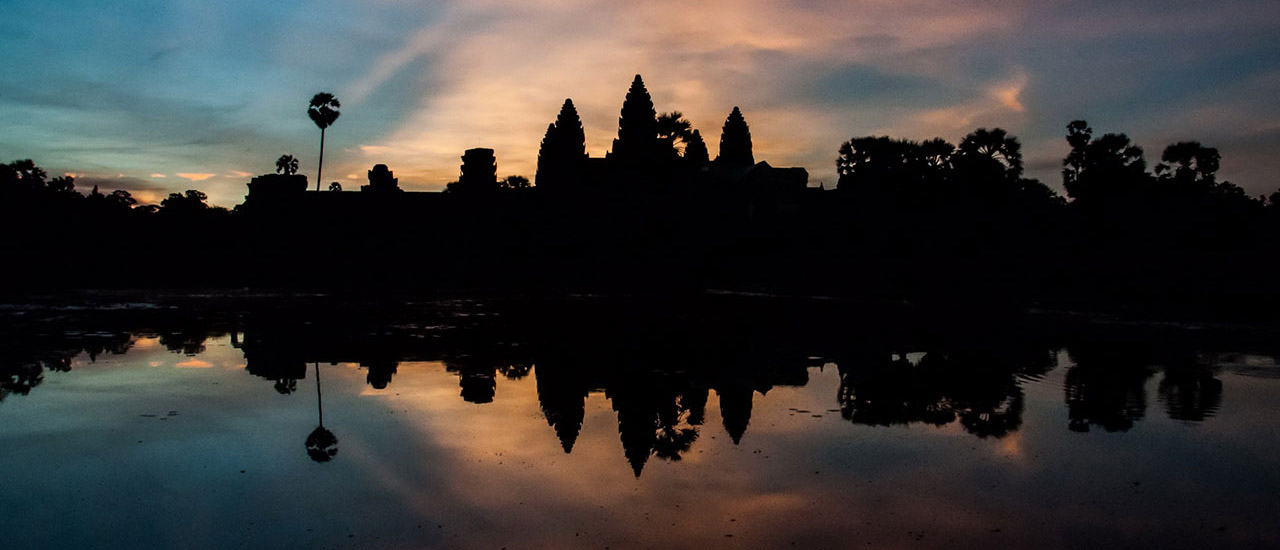
Angkor Wat is the largest religious temple in the world, found by a Khmer King Suryavarman II dedicated to a Hindu god, Vishnu. It was constructed in the early of the 12th century. Angkor Wat is becoming the iconic monument of Cambodian.
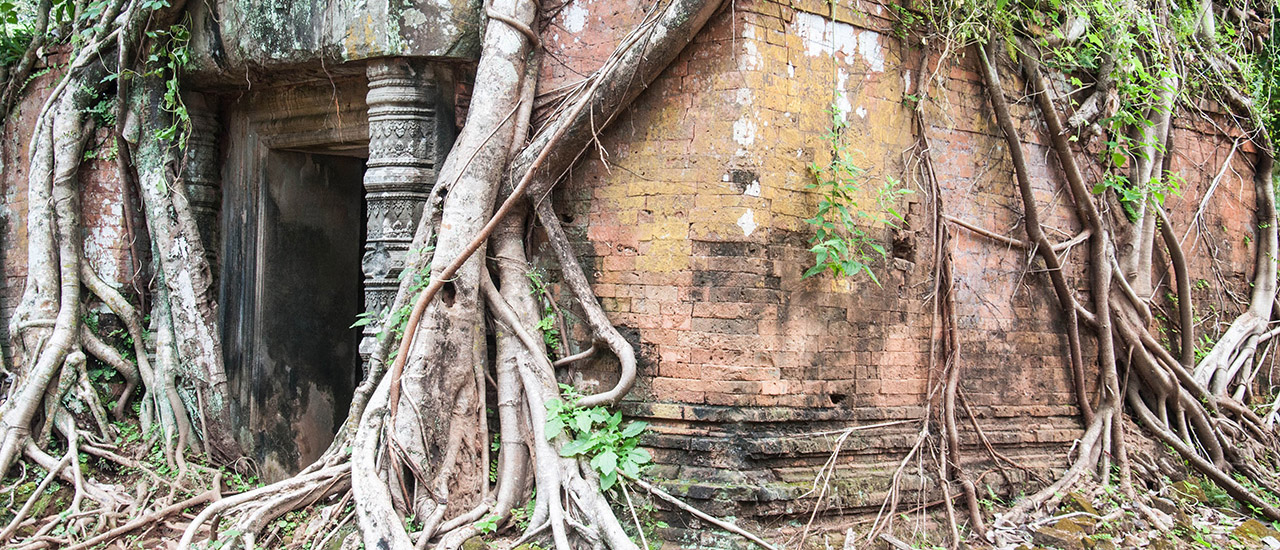
Koh Ker is a 10th-century temple complex in the north Cambodian jungle. A former capital of the Khmer Empire, the site is now remote and heavily forested. The main structure, Koh Ker Temple, is a stepped 7-tiered pyramid. The large rectangular tank, Rahal Baray, supplied water to the complex. The Prasat Krahom, meaning red temple, is known for its sandstone carvings, while Prasat Pram is covered in strangler figs.
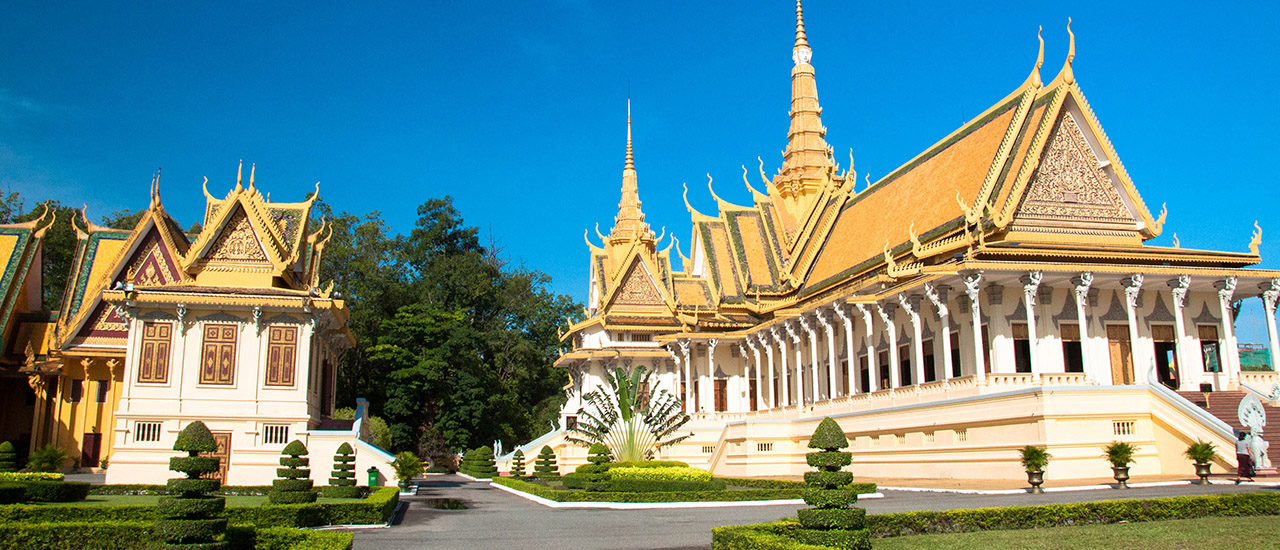
Phnom Penh, Cambodia’s busy capital, sits at the junction of the Mekong and Tonlé Sap rivers. It was a hub for both the Khmer Empire and French colonialists. On its walkable riverfront, lined with parks, restaurants and bars, are the ornate Royal Palace, Silver Pagoda and the National Museum, displaying artifacts from around the country.
Prek Toal is a bird sanctuary and Ramsar site located within the Tonlé Sap Biosphere Reserve, at the north-west corner of the Tonlé Sap. It is a popular area for ecotourism and birdwatching given the area's rich biodiversity and rare waterbirds, particularly abundant during the dry season.
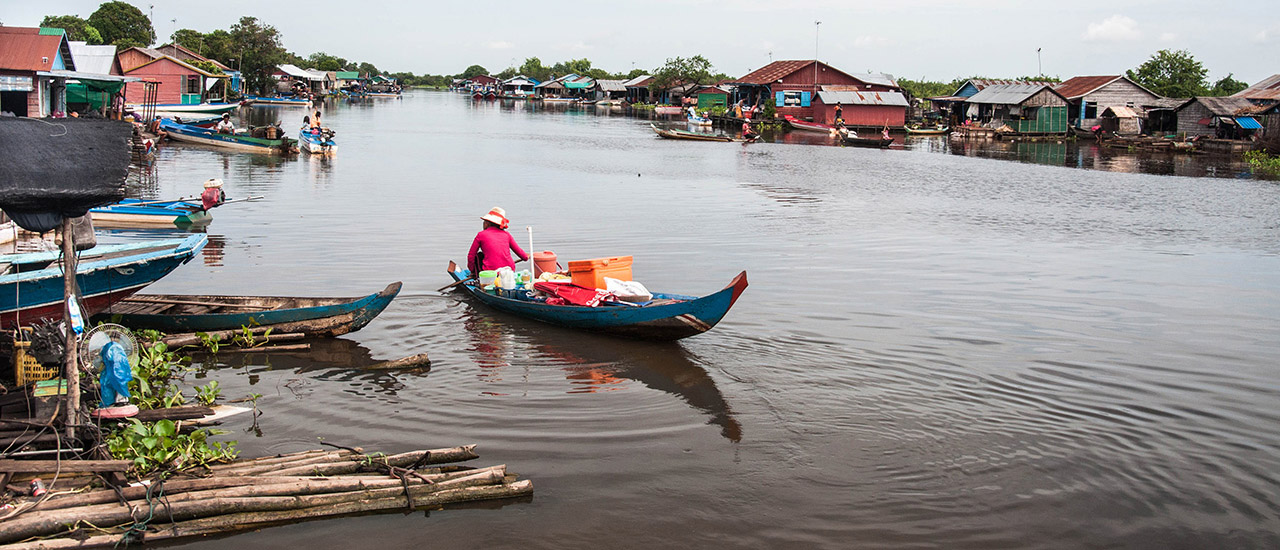
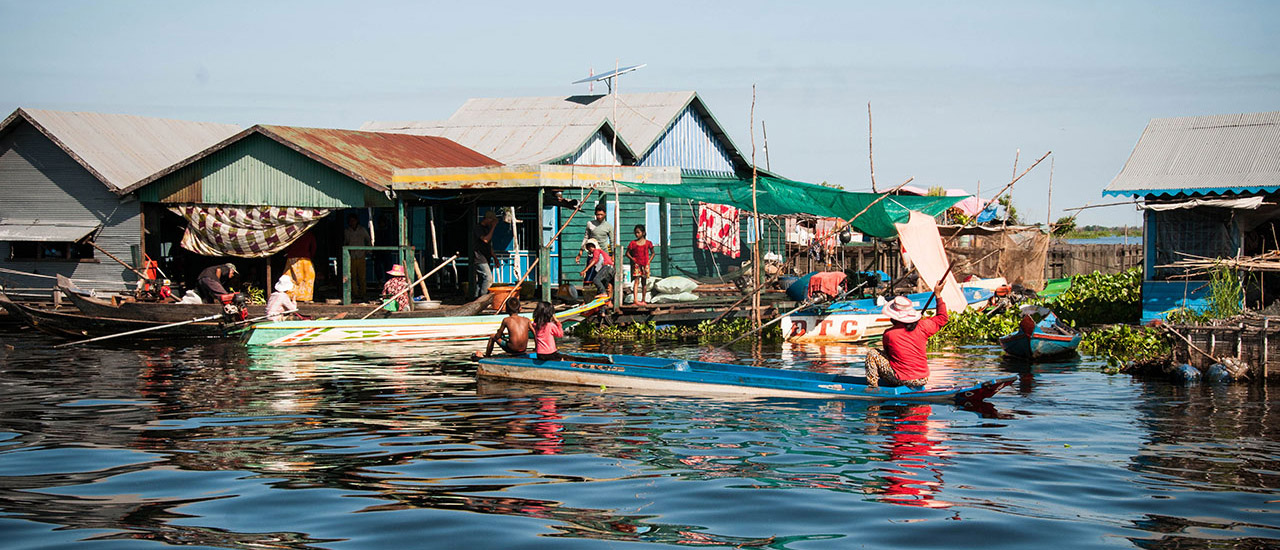
The Floating Village of Chong Kneah is one of a unique village in Cambodia
where thousands of families gathering their lives together on the rafted
houses, located just a few miles from Siem Reap town, on the great lake Tonle Sap.
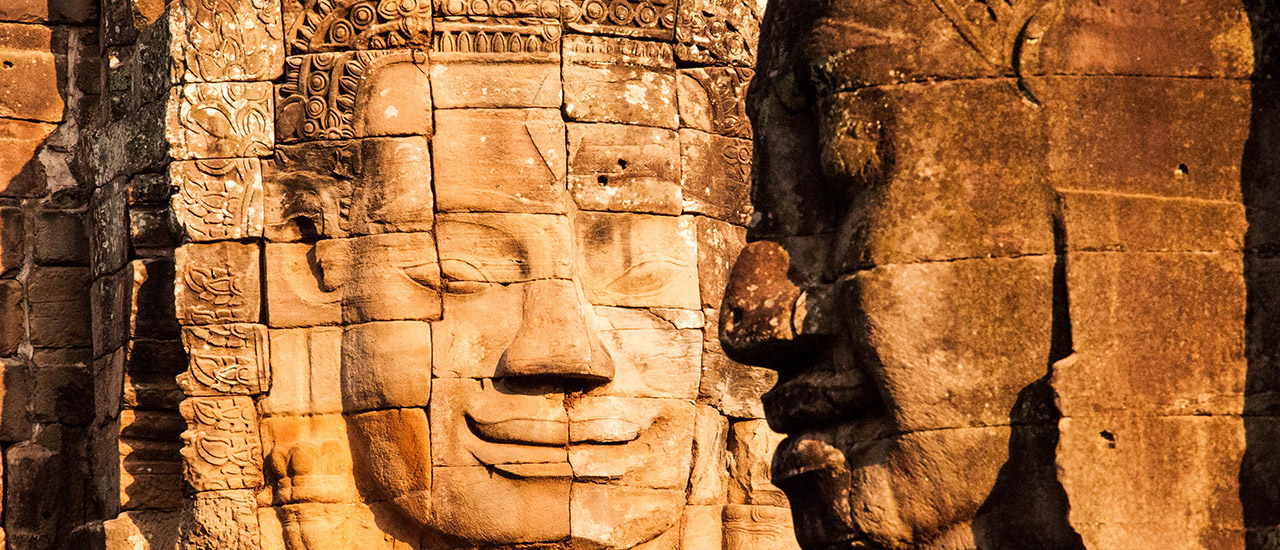
The Bayon is a richly decorated Khmer Hindu-Buddhist temple at Angkor in Cambodia.
Built in the late 12th or early 13th century as the state temple of the Mahayana
Buddhist King Jayavarman VII, the temple was originally built for the Hindu God
Brahma. It stands at the centre of Jayavarman's capital, Angkor Thom.
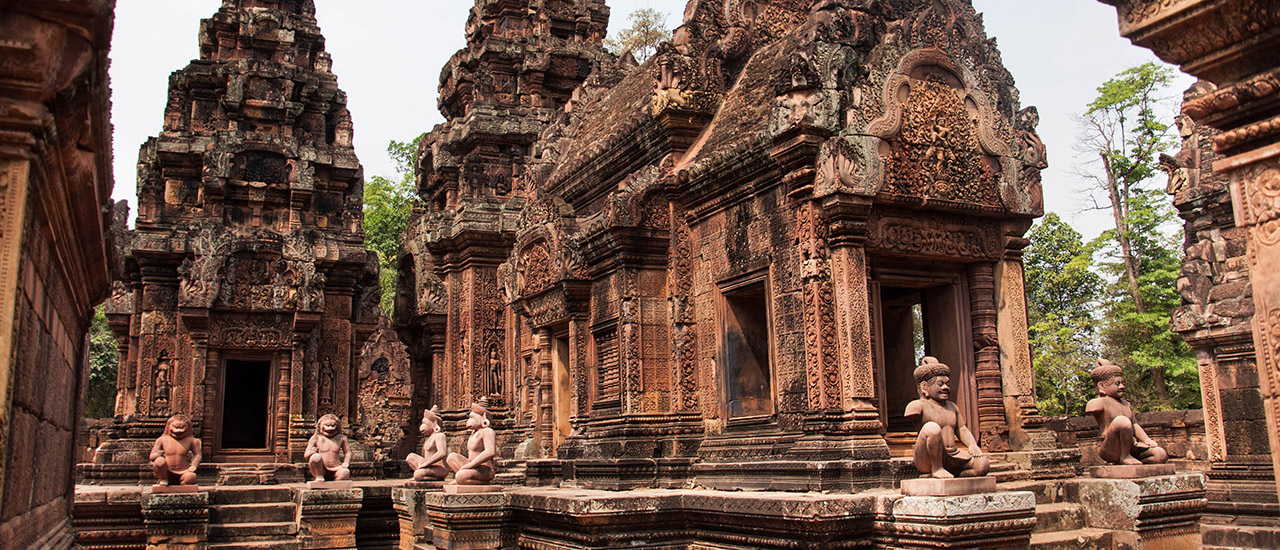
Banteay Srei or Banteay Srey is a 10th-century Cambodian temple dedicated to the Hindu god Shiva. Located in the area of Angkor, it lies near the hill of Phnom Dei, 25
km north-east of the main group of temples that once belonged to the medieval
capitals of Yasodharapura and Angkor Thom.
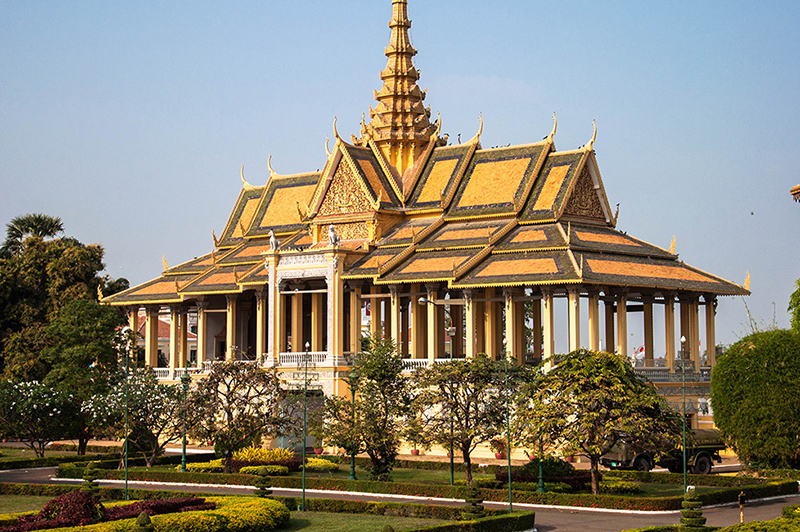
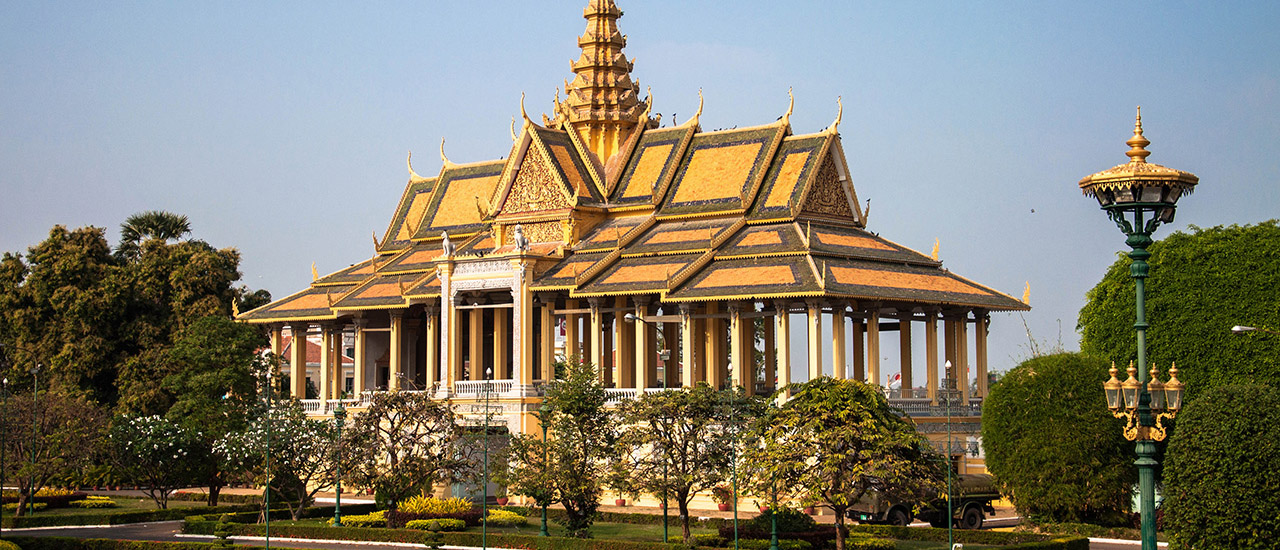
The Royal Palace, in Chey Chumneas, Phnom Penh, Cambodia, is a complex of buildings which serves as the royal residence of the King of Cambodia. Its full name in the Khmer language is Preah Barom Reachaviang Chaktomuk Serei Mongkol.
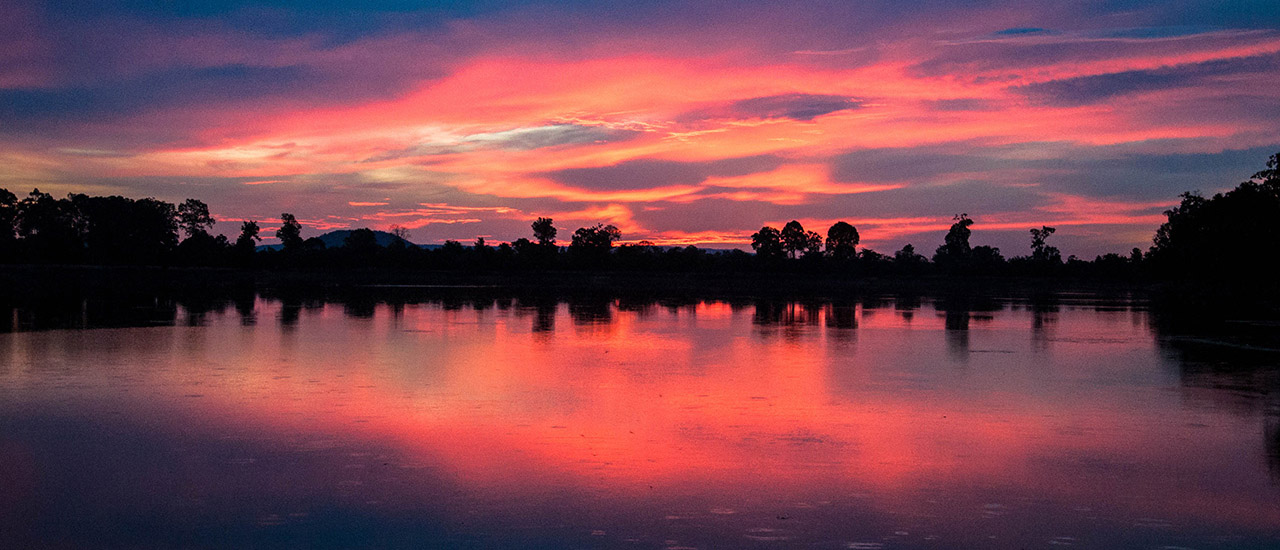
At present Srah Srang measures 700 by 350 m and is still partially flooded. As other barays, maybe there was a temple standing on an artificial island in the middle of it, as suggested by finding of a basement. The landing-stage, opposite the entrance to Banteay Kdei, is a popular site for viewing the sunrise.
Angkor Wat is a temple complex in Cambodia and the largest religious monument in the world by land area, with its site measuring 162.6 hectares.
Cambodia is one of Southeast Asia’s most exciting emerging travel destinations, attracting visitors with its fascinating history, rich cultural heritage, and genuine hospitality. From the world-famous temples of Angkor Wat to the vibrant streets of Phnom Penh, the country offers unforgettable experiences for every type of traveler. Beyond its ancient wonders, Cambodia is blessed with beautiful countryside, peaceful rivers, traditional villages, and welcoming local communities that make every journey meaningful and memorable.
A small local travel company in Cambodia specializes in creating authentic and personalized tours that showcase the true beauty of the country. With extensive local knowledge and years of experience in the tourism industry, the company offers a wide range of travel experiences, including private custom-made journeys, cultural and historical tours, cycling adventures, countryside excursions, Mekong River explorations, and relaxing holiday packages. Whether travelers seek luxury experiences, family vacations, adventure trips, or budget-friendly holidays, every itinerary is carefully designed to match individual interests and travel styles.
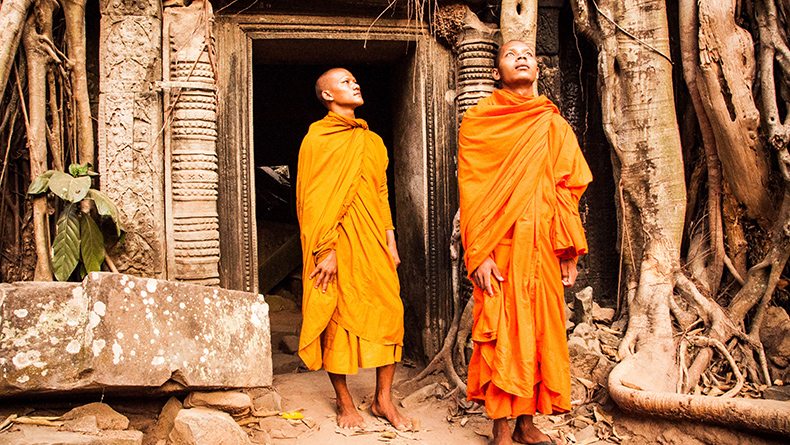
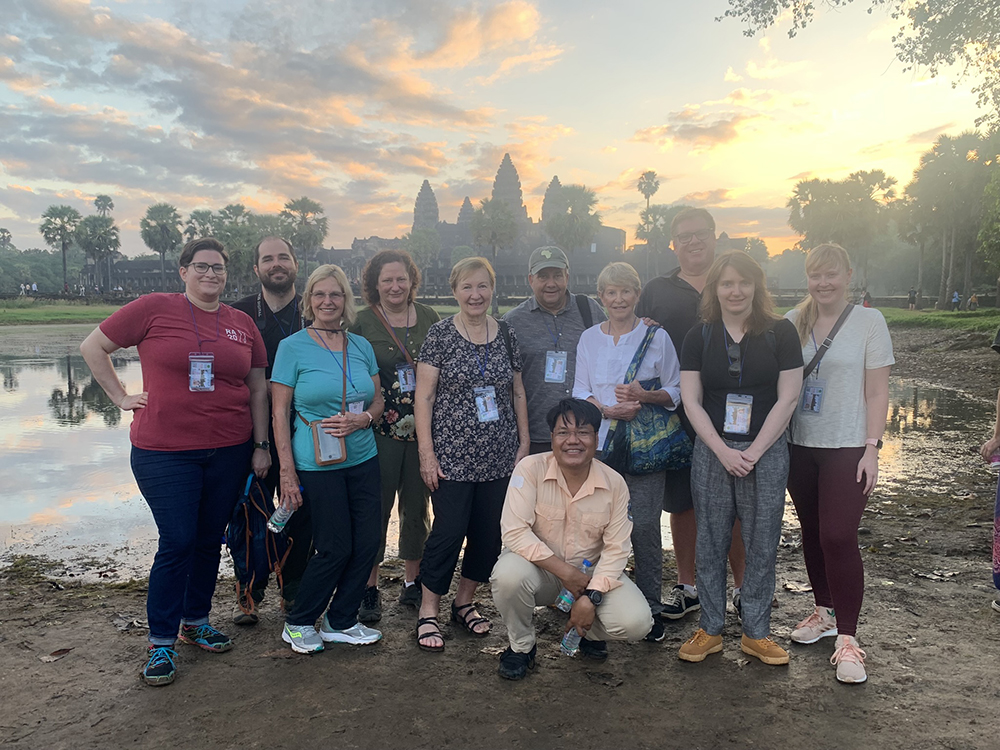
The company takes pride in delivering professional service with a personal touch. Local guides share deep insights into Khmer history, culture, religion, and daily life, helping visitors connect with Cambodia beyond the typical tourist experience. Guests can enjoy exploring ancient temples, tasting local cuisine, meeting artisans, visiting floating villages, and discovering hidden gems across the country.
Dedicated to quality, comfort, and authenticity, the company’s mission is to provide smooth, safe, and unforgettable journeys while supporting local communities and sustainable tourism. Every trip is thoughtfully arranged to ensure travelers leave Cambodia with lasting memories, meaningful experiences, and a deeper appreciation for the Kingdom of Wonder.
discover amazing Angkor Temples
Angkor Photography
Create a more exclusive and unforgettable holiday in Angkor Wat by capturing stunning photographs of ancient temples, golden sunrise moments, hidden corners, and authentic local life. Every experience is carefully designed to give travelers unique memories, breathtaking scenery, and countless picture-perfect opportunities throughout the magical wonders of Angkor.
Discover the fascinating sequence of history at Angkor Wat while enjoying a relaxing and well-paced holiday without the frustration of being hurried. Take time to admire the ancient temples, peaceful surroundings, and rich Khmer culture at your own rhythm, creating a meaningful and comfortable travel experience filled with unforgettable memories.
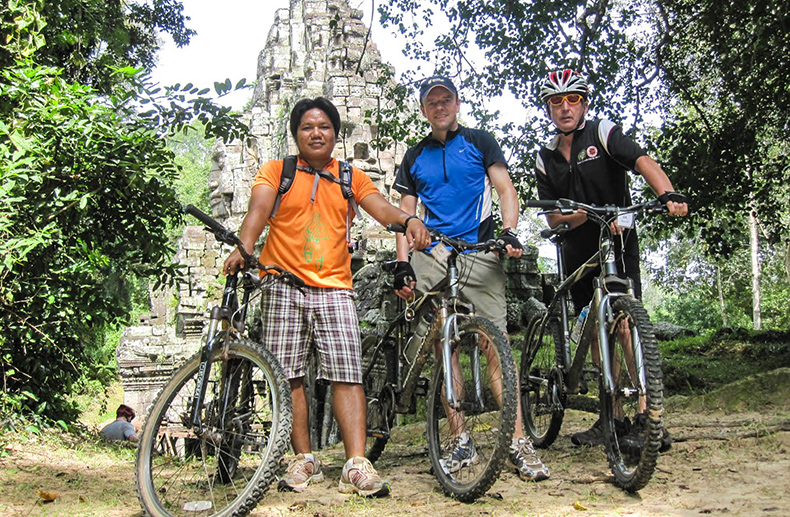
An exclusive cycling adventure for bike lovers, exploring ancient Khmer ruins through peaceful jungle trails and untouched wilderness between hidden temples.
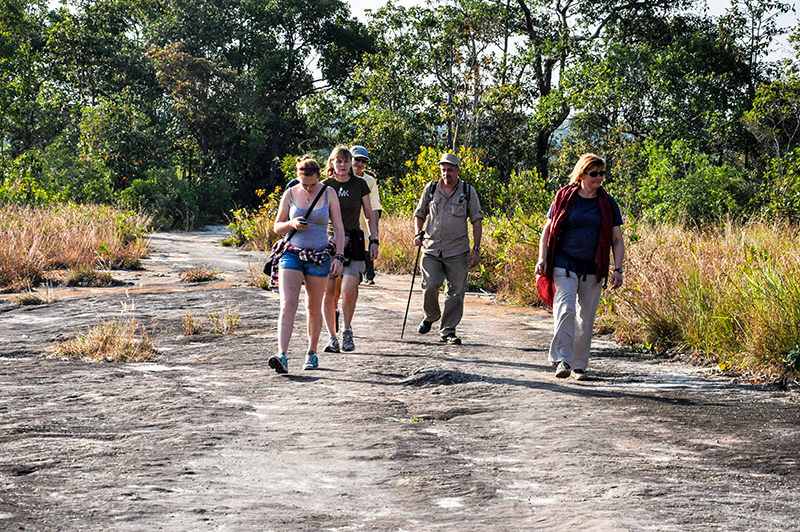
An unforgettable and exclusive journey discovering hidden regions, authentic cultures, and untouched landscapes rarely known or visited by most travelers.
A photography tour connecting Cambodia’s most attractive destinations through the beautiful contrasts of culture, ancient history, traditions, and local people.
Scheduled small group tours offer personalized experiences, flexible itineraries, local interactions, comfortable travel, and unforgettable journeys with like-minded travelers.
Customize your journey exactly the way you wish with our friendly and easy-to-use tailor-made tour form. Maximize every part of your trip based on your interests, travel style, and preferences while receiving professional assistance and expert advice from our experienced travel consultants whenever you need help.


 the country offers unforgettable experiences for every type of traveler. Beyond its ancient wonders, Cambodia is blessed with beautiful countryside, peaceful rivers, traditional villages, and welcoming local communities that make every journey meaningful and memorable.